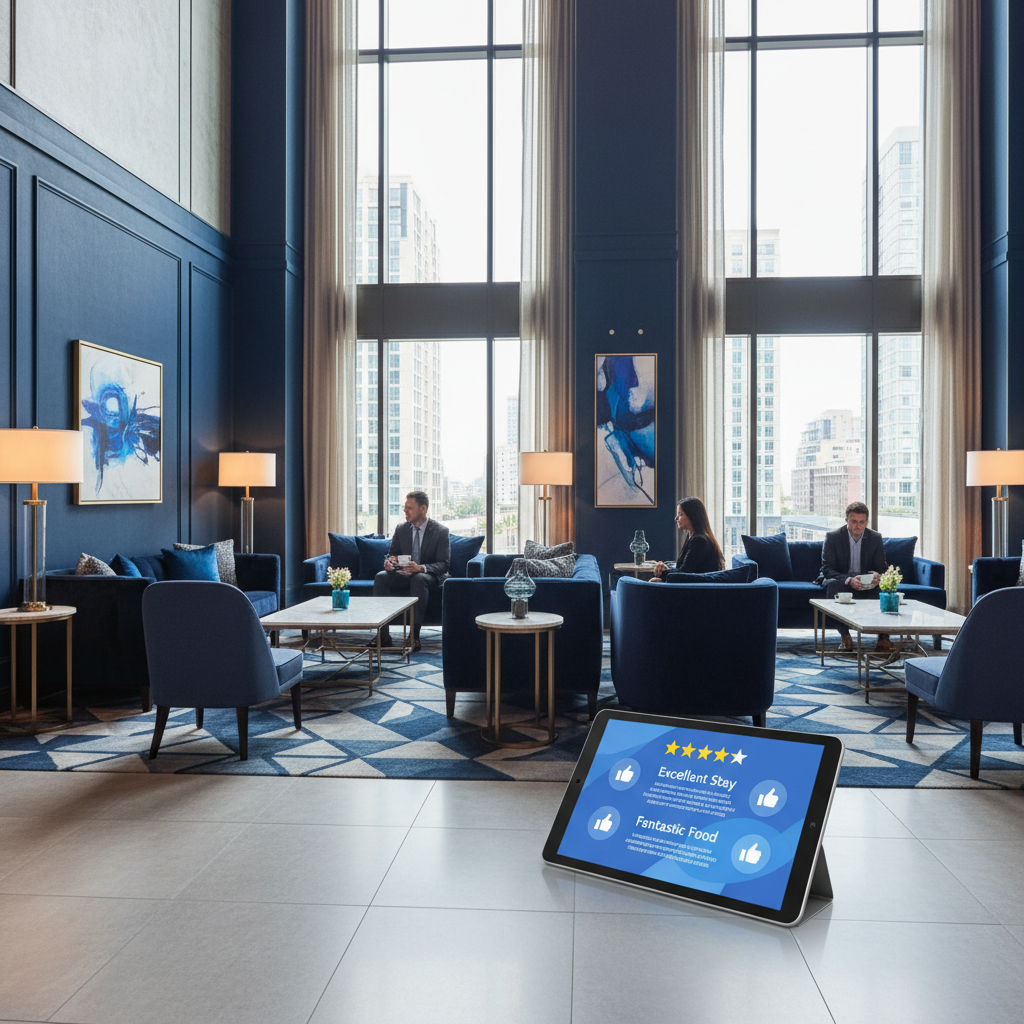
The hospitality industry, encompassing hotels, restaurants, and other service providers, lives and dies by its reputation. In 2026, online reviews and digital presence are more critical than ever. A single negative experience, widely shared online, can significantly impact bookings and revenue. Proactive and strategic online reputation management for hospitality businesses is no longer optional; it is fundamental to success. This guide provides actionable insights for maintaining a pristine online image and effectively responding to feedback.
Key takeaways
- Online reviews directly influence booking decisions and revenue for hotels and restaurants.
- Proactive engagement and response to reviews, both positive and negative, are crucial.
- Local SEO optimizes visibility on Google Maps and search results for hospitality venues.
- Consistent brand messaging across all online platforms reinforces reputation.
- Developing a plan for online reputation crises helps mitigate damage effectively.
The Impact of Online Reviews in Hospitality
Every hotel booking and restaurant reservation is heavily influenced by online reviews. Platforms like Google, TripAdvisor, and Yelp are often the first points of contact for potential customers. Positive reviews build trust and attract new business, while negative feedback can quickly deter prospects.
A Harvard Business Review study indicated that a one-star rating increase on Yelp can lead to a 5 to 9 percent increase in revenue. For hotels, a strong online reputation often translates directly into higher occupancy rates and better pricing power. Ignoring online sentiment is a costly mistake. We help businesses proactively manage their reviews, including comprehensive strategies for negative review removal when necessary.
Customers today expect businesses to not only deliver excellent service but also to acknowledge and respond to their feedback online. An unaddressed negative review can be more damaging than the review itself, signaling to other potential customers that the business does not care.
Strategic Review Monitoring and Response
Effective online reputation management for hospitality begins with constant monitoring. You need to know what guests are saying about your establishment in real time. Tools can help track mentions across various platforms, but also consider manual checks of your primary review sites.
Develop clear guidelines for responding to reviews. Positive reviews deserve a thankful and personalized response. For negative feedback, acknowledge the issue, apologize sincerely, and offer a solution or pathway to resolution. This demonstrates dedication to customer satisfaction.
When dealing with particularly damaging or fake reviews, direct intervention may be required. Services specializing in Google review removal or Yelp review removal can address reviews that violate platform guidelines or are clearly fabricated. Speedy resolution helps maintain your overall rating and public trust.
Optimizing Your Google Business Profile for Local SEO
For any local business, including hotels and restaurants, your Google Business Profile Strategies: Claiming, Optimizing, and Defending in 2026 is a critical asset. It controls how your business appears in Google Search and Google Maps, influencing discoverability significantly. An optimized profile includes accurate business information, high-quality photos, and detailed service descriptions.
Engaging with questions and posts on your Google Business Profile also boosts visibility. Every interaction signals to Google that your business is active and relevant. Moreover, consistently securing new, positive reviews and responding promptly is a major factor in your local search ranking.
Investing in local SEO ensures your hospitality business ranks prominently when potential guests search for services in your area. This means more direct bookings or reservations, reducing reliance on third-party aggregators and their associated fees.
Managing Reviews on TripAdvisor and Other Platforms
TripAdvisor remains a powerful platform for hotels and tourist attractions. Managing your presence here involves similar principles: consistent monitoring, thoughtful responses, and leveraging positive feedback. Encourage guests to leave reviews and make the process easy for them.
Beyond Google and TripAdvisor, consider platforms specific to your niche. Opentable for restaurants or other regional review sites can be equally important. Each platform requires a tailored approach, but the core strategy of engagement remains constant.
ReputationZilla also provides specialized services for TripAdvisor review removal and Trustpilot review removal for businesses looking to address specific negative content. We understand the nuances of each platform's guidelines and removal processes.
Proactive Strategies for Reputation Building
Active reputation building goes beyond just responding to reviews. It involves creating shareable experiences, encouraging user-generated content, and highlighting positive guest stories. Provide excellent service consistently to generate organic positive feedback.
Consider offering incentives for guests to share their experiences, such as social media contests or loyalty programs. This amplifies your online presence naturally. Ensure your website and social media channels prominently feature positive testimonials and star ratings.
Developing a strong digital presence also involves active social media engagement. Building a community around your brand on platforms like Instagram and Facebook can turn guests into advocates. We help businesses achieve social media growth to expand their reach and influence.
Addressing Online Reputation Crises
Even the best hospitality businesses can face an online crisis, whether from a viral negative review, a misunderstanding, or an unforeseen event. Having a predefined crisis communication plan is crucial. This plan should outline who responds, what message is conveyed, and through which channels.
Speed and transparency are vital during a crisis. Acknowledge the situation quickly, show empathy, and communicate the steps being taken to resolve it. Generic or delayed responses can escalate problems significantly.
In severe cases, you might need professional assistance for reputation cleanup. This could involve suppressing negative search results or pursuing legal options for defamatory content. A swift, expert response minimizes long-term damage.
Frequently asked questions
How important are online reviews for hotels and restaurants?
Online reviews are extremely important, directly impacting booking decisions, revenue, and overall brand perception for hospitality businesses.
Can I remove negative Google reviews from my restaurant's profile?
Yes, you can remove negative Google reviews if they violate Google's content policies, such as being fake, spam, off-topic, or containing hate speech. ReputationZilla can assist with Google review removal requests.
What is local SEO for a hotel?
Local SEO for a hotel involves optimizing its online presence to rank higher in local search results and Google Maps, attracting nearby potential guests directly.
How should a hotel respond to a negative TripAdvisor review?
A hotel should respond to a negative TripAdvisor review promptly, professionally, acknowledge the guest's concerns, apologize sincerely, and outline steps taken or offered for resolution.
How can I encourage more positive reviews for my restaurant?
Encourage more positive reviews by consistently providing excellent service, making it easy for guests to leave feedback, and sometimes offering small, non-coercive incentives or simply asking directly.
What is reputation cleanup in the hospitality industry?
Reputation cleanup in hospitality refers to comprehensive services designed to remove or suppress negative online content, improve search engine visibility, and restore a positive brand image after damaging events.